 Updated:10:11 PM CEST May,12
/ RSS
(new)
Updated:10:11 PM CEST May,12
/ RSS
(new)















日本のオンラインカジノ.com
OnlineCasinosSpelen






The cryptocurrency revolution is upon us and there are many bitcoin casinos you can check out and play with ease in 2022

4Rabet
Hitta bästa utländska casinon på en sajt som kontrollerar alla aktörer och skriver om tryggt spel online.
 Hitta det bästa casino utan svensk licens på CUSL




casino canada
casino bonus sans depot









Best and new Arab Casino with high bonuses and latest casino games in arabic.
Arab online casinos on كازينو على الانترنت with latest casino games in arabic.
Great selection of games on Online casino Kazakhstan with high welcome bonuses.


















Hos oss på StarwarsCasinos.com hittar du all information om casino utan svensk licens
AnbefaltCasino.com - Beste online casino anmeldelser.



Check out India's #1 casino comparison website Casinos IN for the latest bonuses!
Check out the Top 20 Online Casinos UK for real money casino sites you can trust.

Check out the best real money online casinos with welcome bonuses.



Online Casino's met iDEAL





Canada Casino Hub
Pay N Play Casino utan svensk licens


 Hier finden Sie das beste Online Casino für österreichische Spieler
 Online Casino Bonus

Compare Online Casino Bonuses at Casino.Help the trusted casino guide since 2017
 Casino utan Svensk Licens hos spelportalen Passagen



Pour la meilleure expérience de jeu en ligne de France, optez pour Pleeease Casino, le leader du jeu d'argent.
 Online gokken zonder registratie

Du finner de beste norske nettcasinoene hos tikifortunes.com. Alle casinoer er lisensiert av Curacao eller Malta Gaming Authority.


online casino

casino online



Best gambling sites
If you’re looking for the best online casinos, look here.

IPL TODAY
 1WIN New site for betting and live casinos in India: https://1win1.in


Caziwoo pikakasinot
suomipikakasino.com

online casino



CSGO Gambling 2024
Check the ultimate guide to online casinos usa sites with welcome bonus
Play real money casino games in the U.S by visiting this best online casino in usa guide
Check out top online casinos Australia sites for high paying casino games such as online slots, online roulette, online blackjack, online craps and much more
With the below "Find the best online casinos for Canadian players by visiting this ca online casinos using your mobile or desktop.
Play real money online casino games by visiting King Johnnie, one of the best Australian online casino sites.
Play top-rated online casino games by visiting CrazyVegas. It is one of the most trusted casino review sites in Canada.
Play casino games for real money by visiting online casino australia. Also claim your welcome bonus by visiting the bonus page.
gclub
best online casino sites
(c) 1998-2024 Gameguru Mania
Privacy Policy statement
|
Gameguru reviews/specials archive << back to the main page
The Elder Scrolls IV: Oblivion
(hx) 06:25 PM CEST - Apr,09 2006
The Elder Scrolls IV: Oblivion is a fantasy-themed role-playing game
developed by Bethesda Softworks. It is the fourth game in the Elder Scrolls
series. The story takes place shortly after the events of Morrowind but in
another province. After the mysterious and untimely death of the Emperor, Uriel
Septim VII, the throne of Tamriel lies empty. With the Empire ready to crumble,
the gates of Oblivion are thrown open and daedra march upon the land - laying
waste to everything in their path. To turn the tide of darkness, you must find
the lost heir to the throne and unravel the sinister plot that threatens to
destroy all of Tamriel. The main protagonist is a nameless hero who is
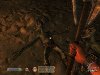
imprisoned in the Imperial City, the capital of Cyrodiil and the Empire. By
chance the cell is also an Imperial secret escape route to get out of the city
in case of an emergency...
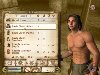
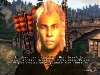
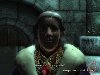
Before you begin your adventure you're allowed to create your own character.
Creation of starting abilities is nicely done through a tutorial beginning,
which also starts off the main story. As you progress through the opening quest,
you'll get a chance to determine your character's appearance, class, and
abilities. One nice thing that Oblivion does is separate these processes, so
you don't have to worry about making all the important decisions at once.
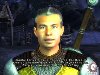
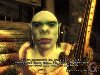
All begins with selecting one of roughly ten races, each of which has
its own signature skills and abilities: Imperial, Khajiit, Nord, Orc, Redguard,
Wood Elf, Argonian, Breton, Dark Elf, and High Elf. Some are human, some are
most definitely not. Each species can survive the game's quest, but this
decision proves vital as to how a player will go through the world of Oblivion.
From there, you can opt to change their appearance, or you can settle for a
computer generated character, which definitely speeds things up considerably. In
terms of physical aspects you have a seemingly endless set of sliders to
customize almost every aspect of your character (molding the shape of a
character's face, its age, hair color, gender).
About halfway through the tutorial, you're asked to choose a Class
which gives you bonuses to some skills. Class is the most difficult choice
overall, because it encompasses a lot of information. You can go with one of
their recommended 'templates' (knight, agent, healer, and so on, though like in
Morrowind, these are really just preset choices of skills) or completely build
your own from 21 different skills - Acrobatics, Alteration, Alchemy,
Armorer, Athletics, Blade, Block, Blunt, Conjuration, Destruction, Hand-to-Hand,
Heavy Armor, Illusion, Light Armor, Marksman, Mercantile, Mysticism,
Restoration, Security, Sneak, Speechcraft.
In addition, the character needs a specialization assigned to it,
whether it is Mage, Combat, or Stealth. Teaming this up with a character already
naturally gifted in this realm (say, a mage) increase the abilities even
further. Adding even more steps to the mix, the character's birth sign
can be entered. By choosing either mage, apprentice, warrior, thief, shadow,
lover, ritual, tower, serpent, atronach, lady, steed, or lord as a birth sign,
you extend abilities or help to slightly negate deficiencies. Basicaly, you can
create and play any character you can imagine - I literally spent
almost two hours tweaking my character!!
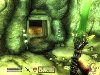
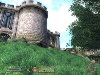
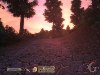
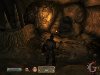
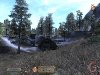
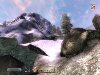
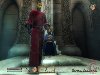
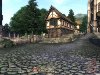
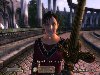
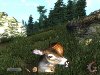
After escaping the dark underbelly of Imperial city, the bright, beautiful
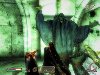
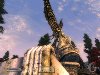
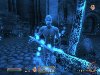
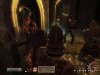
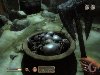
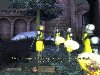
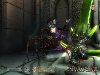
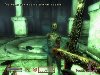
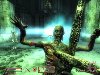
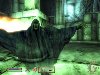
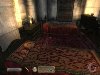
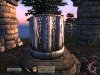
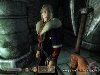
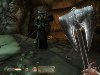
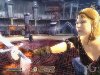
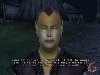
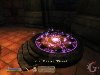
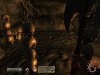
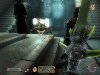
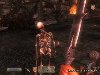
world of Cyrodiil blinds you with its magnificence. The graphics are amazing (as
long as you have a PC that can cope - I played it on an AMD64 Athlon 3500+, 1GB
RAM and a GeForce 6800 GT rig). Now, you'll start to understand just how massive
Oblivion's world really is. Opportunities for new quests and stories are
everywhere, and there's no pressure as to which path you should follow. You can
tackle quests in any order you want, join pretty much any guild you want and kill a
lot of the people you want in any particular way you want. If you want, you can
continue to pursuit the main quest story line of Oblivion which can take around
~40 hours first time playing through, but the majority of the game's content is
peripheral to that main quest. Yeah, there are a ton of side quests and guild
quests, all which allow for a diverse range in game play style. But don't worry,
it's very easy to keep track of what you're doing, what quests you're working
on, and how to get back to the main story if you'd like. I have found both the
side and main quests very enjoyable.
Fast travel is back in Oblivion. As long as you've visited somewhere, you can
click it on your map and get there instantaneously - at least from your
perspective. In-game, time will still pass as if you'd traveled the distance
manually. If you choose to walk / run there yourself, use the red flag on your
compass to indicate the direction you need to go. Remember also that not every
location is available to your with fast travel, often you must first find it
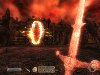
yourself before you can warp there. . Dotted around the landscape are also
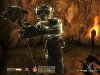
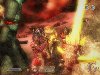
Oblivion gates - portals that lead to a hellish plane filled with a variety of
extremely deadly monsters. They are randomly generated, so there's no telling
what you'll find inside. However, the Oblivion gates are a little repetitive,
with several variations to them - the goal of each trip is the same - find the
power sphere that keeps that gate open and remove it.
The world of the Elder Scrolls is entirely non-linear. Oblivion features a
groundbreaking new AI system, called Radiant AI, which gives non-player
characters (NPCs) the ability to make their own choices based on the world
around them. Rather than following pre-scripted paths, every NPC is given a set
of general goals they'd like to achieve, but the details of fulfilling that goal
is entirely up to them. If a citizen is hungry, they'll look for a way to get
food. They might buy food, hunt it, or steal it, then find a place to sit to eat
and so on. This means that every one of the game's NPCs follows a full
24/7 schedule that continues whether or not the player is there to witness it.
They'll sleep, go to church, and even steal items, all based on their individual
characteristics.
You gain experience in skills from level 0 through level 100. At level 0-24
you are considered a novice, from 25-39 you are an apprentice, from 50-74 you
are a journeyman, from 75-99 you are an expert, at and 100 you are a master. To
raise a character's overall level (everyone starts at Level 1), you need to
increase major skills associated with the class chosen at the beginning. Raising
a combination of your major skills at least ten points enables you to move up to
the next overall skill level, which is done by going to sleep as soon as the
moon icon appears on screen.
For instance, take armorsmith, it helps you to repair your own armor and
weapons. When you're a
novice, your repair hammers may break a lot, once you're an apprentice, things
get better, but you still cannot repair magical items. Once you become
journeyman, you can repair magical items. As an expert, you can repair the items
beyond their max conditions, which means more damage for your weapons and more
armor rating for your armors. As a master, you can repair your items with one
single repair hammer and it would never break.
The enemy attributes are also dynamically adjusted to your level, so an Ogre
bumped into by a level-24 character will also have level-24 attributes. The
difficulty scaling keeps combat challenging, but it diminishes your sense of
accomplishment since you never feel more powerful than your foes. So don't think
you'll be able to go back to that Ogre that once gave you a ton of trouble and
annihilate them because you'll be facing a much stronger opponent next time you
go back!
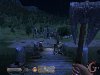
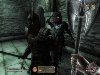
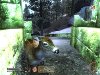
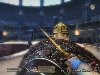
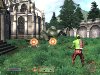
Oblivion brings a newer combat system similar to action RPGs such as Fable
with one button for attack and another for block - you'll have to use your
shield to thwart incoming strikes and use your weapon and try to land a blow on
your enemies. Inventory space is easily managed, equipping items is quick and
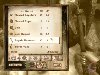
simple, and setting hotkeys is also easy, useful, and also necessary. In addition to physical combat, there is a
rather hearty magic system in place for doing battle as well. There are six
schools of magic in the game - conjuration, illusion, destruction, restoration,
mysticism, and alteration. Each school has a list of spells (which can be bought
from characters and earned during quests), and each ties into its overall theme.
You can still summon creatures, armor, do damage, cause weakness to certain
elements, and so on. The only spell really missing is the levitation spell.
There's no "magic mode" to switch to in order to cast magic. Weapons and magic
can be used at the same time.
Overall, this is a great game and probably the best single player RPG out
there right now, but it could be better, for example, having more factions to
join and side quests. It would be great if the game allows you to choose your
path in the main quest, so you would have different ending depending on how you
accomplish the main quest, etc.
Now do I recommend that you go out and buy Elder Scrolls 4: Oblivion? If you
have the proper PC (don't forget to check out supported video chipsets) to run
this game, by all means, definitely go out and buy this game!
related links:
homepage,
cheats,
trainer
+10,
Tweak Guide,
The Elder Scrolls Files,
Oblivion Source,
The Elder Scrolls Source,
Planet Elder Scrolls,
OblivionCC: Character Creation Generator,
ElderScrolls-Oblivion.com
||
Elder Scrolls 4: Oblivion Collector's Edition (DVD-ROM), Elder Scrolls 4: Oblivion (DVD-ROM) , Xbox 360 The Elder Scrolls IV: Oblivion Collector's Edition. , Xbox 360 The Elder Scrolls IV: Oblivion Collector's Edition.
Minimum System Requirements: Windows XP, 2 GHz Intel Pentium 4 or
equivalent processor, 512MB System RAM, 128MB Direct3D Compatible Video card and
DirectX 9.0 compatible driver, 8x DVD-ROM Drive, DirectX 8.1 Compatible Sound
Card, 4.6 GB free hard disk space, DirectX 9.0c (included), Keyboard, Mouse
Recommended System Requirements: 3.0 GHz Intel Pentium 4 or equivalent
processor, 1 GB System RAM, ATI X800 series, Nvidia GeForce 6800 series, or
higher video card
Supported Video Card Chipsets: ATI X1900 series, ATI X1800 series, ATI
X1600 series, ATI X1300 series, ATI X850 series, ATI x800 series, ATI x700
series, ATI x600 series, ATI Radeon 9800 series, ATI Radeon 9700 series, ATI
Radeon 9600 series, ATI Radeon 9500 series, NVIDIA Geforce 7800 series, NVIDIA
GeForce 6800 series, NVIDIA GeForce 6600 series, NVIDIA GeForce 6200 series,
NVIDIA GeForce FX series.
snd: 5/5 - voice acting and sound effects are done brilliantly, music score that never gets old, a few glitches
gfx: 5/5 -
gorgeous - spectacular looking game that looks alive, some lip-syncing bugs
playability: 5/5 -
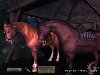
excellent, incredibly open ended gameplay, hundreds of quests (+150 hours of gameplay), Fast Travel and horses, Radiant A.I, modding potential, only 8 quick keys, framerate drops, huge hardware hog, memory leaks, no multiplayer
genre: fantasy-themed RPG
platform: PC DVD (also available on Xbox 360)
release: March 2006
developer: Bethesda
publisher: 2k Games
| 
Overall: 94% |
| |
last 10 comments:
| th4t1guy | (08:41 PM CEST - Apr,09 2006 ) | | Wow, and Far Cry still got a better score. And I wonder how many people are STILL playing that game... |
|
| Penetreitor | (02:23 AM CEST - Apr,10 2006 ) | Yes, many people still playing Far Cry because they don't need to spend > u$s 300 to upgrade their PCs, I have a FX 5200 and could play Far Cry, Quake 4, and others excellent engines. But to play this one I need to change almost all my PC to install a graphic card that give acceptable performance for this engine.
I believe that only the 15% of the market can play this game smothly. It's so spectacular? |
|
| th4t1guy | (05:14 AM CEST - Apr,10 2006 ) | I think you missed my point. Go play Far Cry online sometime. NOBODY is playing it as the game just plain sucks, and after the 5 million patches released, they still have barely fixed any of the bugs.
I would just like to know if theres a single person that has played both games and honestly thinks FarCry is better. |
|
| Nosferatu | (07:42 AM CEST - Apr,10 2006 ) | | th4t1guy, for THE TIME when Far Cry was released it was excellent and certainly deserved the high score reviewers gave it. But NOW the standards are once again higher, that's why Oblivion doesn't jump higher than that. |
|
| torracat | (08:41 AM CEST - Apr,10 2006 ) | | dont forget. although this game is awesome (i would never say otherwise) it is verry bugged on release and an extreeme challenge to any PC that runs it. these make for a lessened gaming experience no matter how good it is. to do bethesda justice, those guys were nice enough to reply directly to me regarding the work they are putting in to fix the probs. I look forward to the patch. i am having fun, but i have had some Quest-halting/game corrupting problems that are still unresolved. |
|
| Sabot | (12:56 PM CEST - Apr,10 2006 ) | Anyone who played flight sims in the early '90s knows that when they were released *NOTHING* you currently owned (back then) could play them with full options on.
Falcon 4 required about 4 CPU, 3 G card upgrades and a jump from 256mb to 1gig RAM to be seen in all it's glory. Oblivion because it takes advantage of dual-core (CPU intensive) is no different, in a year or twos time we will be able to afford cheaper dual-core and high-end G cards -such is the nature of PCs.
I'm playing it full everything except grass -that KILLS fps to 15 when set to full or even slightly on, so figured it's a CPU thing i guess- at 1280x1024 on a GeForce 7800GT.
On the otherhand i haven't experienced any of the 'bugs' that people have gone on about not corrupted game saves etc,etc. and that's after about 25hours gameplay. |
|
| yhancik | (01:00 PM CEST - Apr,10 2006 ) | i just realized... that unbearable "bloom" effect is just the counterpart of that kitsch "hamilton blur" in 70's photography (http://art.transindex.ro/?kep=1166)
i can't imagine how 'dated' this will look in a few year :D |
|
| th4t1guy | (05:49 PM CEST - Apr,10 2006 ) | | For the time? I don't buy that crap for a second. A game that was fun five years ago is still fun today. A score in the mid-nineties implies that the game should remain fun for a very long time, and what do we see now? No one is playing FarCry, yet still a ton of people play Painkiller, a game that got consistently lower scores. It just goes to show that nobody reviews games based on gameplay anymore... |
|
| xxxx | (07:24 PM CEST - Apr,10 2006 ) | 94% and you didn't even properly review the game.. sigh..
yes, lets forget about the lousy interface, whatever happened to the concept of bags? what's this lousy list? Innovative or cut corners? Or how you drop things on the ground, come back days later and it's still in the middle of the street.. Yeah, realistic.. (they tell you, don't leave stuff in chests and stuff or it will disappear) yeah... i guess eventually.. just my rusty iron armor is still on the steps right in front of a Guard and has been since I got out of the sewer days ago.. lol. Yeah, guess nobody needs FREE armor sitting in the middle of the road..
differing quality of gfx from ATI to nVidia.. nVidia is clearly superior in it's use of HDR and lighting overall. God on ATI you can hardly notice HDR, especially in the caves.. There is no eerie glow on things, shiny surfaces etc.. Do ATI users even notice? lol.. No that's right they're all happy HDR and AA work...
Inventory, you can pause the world just going into inventory...oh wait let me have 4 or 5 healing potions.. there now I can fight again
lame and pathetic map system, you can just easily teleport to locations.. you don't even need to journey across the fantastic land.. You would think, first you have to travel by foot which then opens up a teleport.. No no such thing, made for el n00b in Oblivion.. Boats? Nope..Oh wait there is horses though.. that's kinda neat...
Not to insult you, but it's hard HX.. But this is a half-assed review.. I don't know why you wrote anything?.. you could have just given it 94 without even saying a word. Did you do this review just so it comes up in a google search?!? Did you need to rush it for some reason? There is zero basis in your review to give it a 94 outside of gfx..
Ah well.. as someone said, even Farcry was over rated.. how can I expect anything to be different.. I don't even see the point of review sites when the reviewers have no balls and get pleased easily by simply eye candy... sigh.. |
|
| xxxx | (08:05 PM CEST - Apr,10 2006 ) | | My comment about nvidia vs ATI for quality is something to check out for yourself.. If someone has a shot they think looks amazing on their ATI, post it. I'll post my nVidia counterpart. I am truly curious.. but my X800 doesn't even hold a candle to a 6800 and 7600.. I know, cuz I compared both.. HDR and lighting in general are superior on the nVidia hardware. |
|
| El_Coyote | (09:11 PM CEST - Apr,10 2006 ) | xxxx
lol the review is allright, you're just a pms'ing teen girl |
|
| nyqos | (09:28 PM CEST - Apr,10 2006 ) | quote:
94% and you didn't even properly review the game.. sigh..
yes, lets forget about the lousy interface, whatever happened to the concept of bags? what's this lousy list? Innovative or cut corners?
Innovative, if you actually play with it. It has made the game a lot easier to play without forcing you to go searching through bags (which can be got with a simple mod, the purpose of making the game so easy to mod).
quote:
Inventory, you can pause the world just going into inventory...oh wait let me have 4 or 5 healing potions.. there now I can fight again
Actually, you can only drink a certain number, I think two or three. It's the same as using hotkeys.
quote:
lame and pathetic map system, you can just easily teleport to locations.. you don't even need to journey across the fantastic land.. You would think, first you have to travel by foot which then opens up a teleport.. No no such thing, made for el n00b in Oblivion.. Boats? Nope..Oh wait there is horses though.. that's kinda neat...
The cities begin being teleportable, because all of the quest points are distributed. You can't teleport to any off the in-land quest points without walking through the land. Have you even played the game? Have you played morrowind? Dealt with the ridiculous nature of being FORCED to walk everywhere there wasn't a silt-strider or mage's guild? You haven't even played the game.
quote:
Not to insult you, but it's hard HX.. But this is a half-assed review.. I don't know why you wrote anything?.. you could have just given it 94 without even saying a word. Did you do this review just so it comes up in a google search?!? Did you need to rush it for some reason? There is zero basis in your review to give it a 94 outside of gfx..
Ah well.. as someone said, even Farcry was over rated.. how can I expect anything to be different.. I don't even see the point of review sites when the reviewers have no balls and get pleased easily by simply eye candy... sigh..
Maybe playing the game was the key, you should try it. There's a lot more to the game than simple GFX, and it's a great experience, a unique experience, actually. And 1.7 Million copies sold may not be indicative of the experience, but it sure as hell isn't shabby. |
|
| xxxx | (10:00 PM CEST - Apr,10 2006 ) | | Screenshots from ATI please. I know what nVidia looks like. Screenshots of outside please, not inside. |
|
| lmer | (10:25 PM CEST - Apr,10 2006 ) | | @th4t1guy: your card is overheating. 99% positive on that. |
|
| xxxx | (10:48 PM CEST - Apr,10 2006 ) | Have you even played this game you tard? Dickhead I'm about 14 hours into the game I am part of 3 Clans in the game.. What are you? Name 1 Clan beyond the Blades!!! Come on, at least prove YOU played this game you tard. Or maybe you can get your friend in Grade school to tell you. Or are you even of the age to play this game legally? Did mommy and daddy buy it for you, am I hurting your feelings? Pfff.
Innovative? A LIST IS INNOVATIVE YOU RETARD? Pfff. Go jerk someone else around. The list is a cop out, cut corner, it's irritating as hell to go look for repair hammers or a book you've picked up. Most EVERY RPG has moved to the classic Ultima style of open inventory with bags. Yeah, you would forget what's in a bag cuz you're a fucking retard. I knew each and everything in NWN and Baldurs Gate etc.. Those had intelligence behind the inventory system. Not this, click on sword and it's equpped cheapness. And don't even tell me this game is innovative.. All I have to say is ULTIMA! Do you even know what that game is? probably not. Cuz your clueless and you accept any trash thrown at you.. I may be critical of games, but that's how I am. My expectations are high.. Obviously WAY higher than Your Nintendo skills.
It's also NOT the same as hotkeys dickhead.. Hotkeys performs the action WHILE YOU ARE IN ACTION. PRESSING TAB AND GETTING INVENTORY PAUSES THE GAME YOU TARD. Fuck, at least play the game before you open your mouth.
Walking is part of ANY RPG. WHAT GAME DIDN'T MAKE YOU WALK? YES I played Morrowind you tool, but I didn't stay hooked to a crap graphics game, I finished the game and moved on to MANY MORE RPGS! I don't even believe you played this game. Teleporting off the bat is gay, noobish. You should first travel on FOOT before teleporting, that's ALWAYS been a standard in RPG. Now they make it lame so even little kiddies like you don't have to use your brain to get anywhere. Baldurs gate required you to walk around, virtually EVERY RPG makes you WALK! I don't know what fucking rpg's you played bud, but not many.
Me play the game eh? I'd skill test you on a quest but you'd probably have to ask your friend since you still play on the original nintendo at home.. Goof. Get a clue.
Don't even bother posting to me again unless you can prove you actually played this game.
now to address other in terms of screenshots..
As for shots, please make sure they are ATI based and outside. One thing you will notice is how the ATI fanboys haven't jumped all over this thread with their screenshots.. They go blabbing how the game looks great but yet they don't even have a clue the game looks different and WAY BETTER on nVidia.. yes, you are supposed to count on review sites to reveal that kinda stuff, unfortunately most DON'T. Most reviewers out there don't even take the time to go through the whole game, they use cheats or what have you to complete it. They miss the whole game yet they can put out 94% reviews.. You tell me how you can review a game give it 94% and not even see the whole game???????
Anyone, please tell me. I'd like to know how to output a review and give it a 94 and not finish it. And I truly feel sorry for anyone that has to rush through a game like this with cheats just to review it. What service are you doing for anyone other than improperly reviewing and recommending games? This is not squarely at you HX, this is to any reviewer out there for this game. But it's fact. They don't get the game previous to anyone else.. They use cheats and fly through the game to the end.
And if you are going to criticize what I post. At least play the game and know what you are talking about, unlike this clueless wonder accusing me, lmfao, of not playing. God.. what a dick. |
|
| (11:06 PM CEST - Apr,10 2006 ) | I really respect that (better to have an opinion than not), but I won't tolerate dirty words here.
xxxx> Have you even played this game you tard? DickheadInnovative? A LIST IS INNOVATIVE YOU RETARD? Pfff. Go jerk someone else around. God.. what a dick.
See rules:
quote:
2) No verbal violence, flaming (beginning a fight) or "dirty-talk" is allowed: no swearing or using sexual loaded words.
LAST WARNING!!!
xxxx> They use cheats and fly through the game to the end.
Good One! :) To be honest, it took me +40 hours to complete the main quest... |
|
| nyqos | (11:12 PM CEST - Apr,10 2006 ) | I'm sorry, I didn't realize you had to be handled with insults instead of information. Did you ask your parents if you could post on this forum, because I'm sure they'd be displeased with your very sharp language, not to mention your ridiculous temper.
The list is innovative because morrowind's inventory was so problematic.
I should name clans to prove I'm playing the game? Well you are very sharp, aren't you.
So, because "Most EVERY RPG has moved to the classic Ultima style of open inventory with bags," changing that system to another one is... a cut corner. Yes, I'm sure that Bethesda lacked the know-how to implement bags, when several teenage modders have already done it. They should've just been innovative, and used bags. Like every other RPG. No need to take chances, when your expectations of sameness are so high.
And of course, your expectations are higher than my.... nintendo skills?
And I didn't play the game? Says you, who claims that you can automatically teleport to any point on the map. I think maybe you should name some clans, start with the three you're in. Maybe you can use some information rather than repeating "Tard" and the F-word every time you find yourself a little displeased.
My point with the hotkeys was that they were instant, if you're fast, it's not much different from pausing the game and clicking on a heal potion. You wouldn't know that, you're too busy copy-pasting the word Tard on online forums to prove how AWESOME UR RPG SKILLZ ARE LOLOLOL.
The point with walking was that Baldur's gate wasn't as large as Morrowind, and that's why it was a fucking problem. There was also no in-built quick way to move once you had been to a place. You can teleport off the bat, yes, because Oblivion is a very, very huge game. Now you can debate the merits of starting off with teleporting, or you can just use the F-word to prove you're an adult.
So, point being, I don't care how many posts you have, you're acting like a child. I'm glad you're 14 hours into the game, RPGs are probably a better world for you, since you aren't closely associated with this one.
Good Luck Growing Up. |
|
| th4t1guy | (12:44 AM CEST - Apr,11 2006 ) | | lmer: yeah, that was my first thought too; except I saved my game and it always shows up every time, but it's fine when I leave the store. |
|
| devilhood | (03:05 AM CEST - Apr,11 2006 ) | I can't get enough of this game.. especially with the incredible selection of mods available already, like Oscuro's for example, makes dungeon hunting WAY more fun and dangerous, with none of that level scaling bullshit.
For those interested, I highly recommend playing the game with these mods:
AddSpells (Adds the drain attributes and damage attributes spells)
attack and hide medium v2.1 (More realistic sneaking instead of the terminator style mob thrashing)
CallSteed30a (Summon owned horses and give them orders to follow/stay)
Deadlier Traps (Yes, spikes through your body = death, same applies to NPC's and Critters)
DEJ_harvest (Harvested plants disappear or turn a faded yellow)
dyeso_Alchemy_Potion_Perks (Alchemy as it was originally intended by Bethesda!)
FathisFix (Thiefs guild bug-fix)
Inebriation (Wanna get double vision after a bottle of Shadowbane?)
Kikai-PlayableDremora12 (Dremora race is now fully playable)
LowRechargeCost (Lower enchanted weapon recharge cost)
MD_Saddle_Bags (Horsey storage with Horse Armor patcher for compatability)
More Realistic Encumbrance (Ever get tired how a 0.1 weight ingredient can suddenly make you encumbered?)
Natural Environments (Clearer water, with photo realistic weather changes and accurate lighting)
No psychic guards v1.2 (Guards will not rush to the aid of a victim unless within hearing distance)
NoLoad (No more annoying 'Loading area...' text)
Oscuro's_Oblivion_Overhaul v1.2 (Properly balanced enemies and stricter looting, no more nerfed items or near-invincible critters, one of the best mods available)
Perceptionv2_1 (Sense what level an NPC or Critter is with a spell)
Visually Enchanted 2.1 (Frost, shock and flame weaponry look more authentic with their own particle effects!)
WeatherWizard (An exceptional add-on quest with its own dialogue and Voice Acting)
Note that Oscuro's mod requires that you restart your game from scratch.
Seperate User-Interface mods:
BTMod (Give your UI a more PC-look without the restrictive large icons and large text)
Color Map Mod (Make the world map more realistically detailed and coloured)
Level Of Detail mods:
Landscape LOD NormalMap Fix (This mod fixes the big dark blocks on the distant LOD landscape)
Landscape LOD replacement textures (Replaces the original 1024x1024 landscape LOD textures with improved 2048x2048 textures)
Hope you all enjoy this little list I put together. |
|
| xxxx | (04:25 AM CEST - Apr,11 2006 ) | Sorry hx for the swearing.
Oblivion is a TWIMTBP(it doesn't matter that the logo isn't there) that means there are things in Oblivion that ATI can't do or does in it's 'own way'. This review of performance that was just posted on news pretty much shows my state at the 7600 level.. My sliders are at approx 80% maybe a bit more, I don't lag except upon intially load up a city for about 2 seconds, I don't lag outside and I don't lag fighting. I have all the options on and even the highest settings for water. The X800 never came close to these settings. Pff it takes a 1800XT to come close to me.. here $500 for a 1800.. 7600 is cheaper than a X800.. and a 1600 or less.. why even bother?! lol.
You know another thing nVidia kicks ass at? It's drivers and accompanying software. nView is so awesome especially with dual monitors and stuff. nVidia just owns, it's crazy.. amazing how much it's improved since the old days...ATI CCC, god I can't believe I put up with that, chugalug software..
HX, I woudln't use words like that if you moderated your forums and stopped people from attacking me. After all, they never give up. I'm also not the one abusing your site with false accounts. I don't create accounts to simply attack someone.. |
|
| nyqos | (05:31 AM CEST - Apr,11 2006 ) | quote:
HX, I woudln't use words like that if you moderated your forums and stopped people from attacking me. After all, they never give up. I'm also not the one abusing your site with false accounts. I don't create accounts to simply attack someone..
This isn't a false account, it has existed since october, I just hadn't seen anything that prompted me to respond until you.
I didn't attack you, I just responded strongly to things you said that weren't true.
if I was creating accounts to attack you, then perhaps I might have acted in the childish manner you chose to.[/quote] |
|
| devilhood | (03:34 PM CEST - Apr,11 2006 ) | xxxx, no need to spawn paranoia.
You're just an overly cynical brash fellow that has made it his life long ambition to insult ATI in nearly every game-thread :lol:
quote:
All I have to say is ULTIMA! Do you even know what that game is? probably not. Cuz your clueless
I mean, come on, where is the constructive critisism without the childish insults?
It's a little embarrassing to read when it gets to that kind of level.
I don't have a problem with you, but you should try to compose yourself better regardless of how other people act. |
|
| Branflakes | (04:01 PM CEST - Apr,11 2006 ) | devilhood> I can't get enough of this game.. especially with the incredible selection of mods available already, like Oscuro's for example, makes dungeon hunting WAY more fun and dangerous, with none of that level scaling bullshit.
For those interested, I highly recommend playing the game with these mods:
AddSpells (Adds the drain attributes and damage attributes spells)
etc. etc.
Hope you all enjoy this little list I put together.
Thanks for posting them! It's really hard to find a refined list of actually useful mods amongst the hundreds that are already out there. |
|
| Penetreitor | (06:02 PM CEST - May,09 2006 ) | I believe that the most important characteristic in a GAME is the GAMEplay (of course), the graphics is nice but secondary form my point of view, I allways set my configuration to best performance because I'm playing a game, no viewing a picture...
So, considering this, the inventory management, spells casting, and other issues looks a little poor or complicated in this game.
I prefer Arx Fatalis, for those that don't played this one, I recommend it, you'll experience better GAMEplay and environment experience in low-end graphics cards. |
|
All comments
|
|
)
)
)
)
)
)
)
)
)
)
)
)
)
)
)
)
)
)
)
)
)
)
)
)
)
)
)
)
)
)
)
)
)
)
)
)
)
)
)
)
)
)
)
)
)
)
)
)
)
)
)
)
)
)
)
)
)
)
)
)
)
)
)
 Add your comment (free registration required)