Best CS2 Cases to Open in 2026 If You Want to Trade Skins Profitably
Is every CS2 case opening just a roll of the dice, or is it
possible to approach the process systematically and consistently turn a
profit from trading? In 2026, the rules of the CS2 skin market have
shifted: inflation impacts case prices, fresh releases alter the profit
landscape, and third-party services change how supply hits the market.
For traders, understanding economic trends now brings concrete returns,
while poor decisions can create lasting losses. This article
systematically compares CS2 cases by profit potential and demonstrates
practical value calculation methods, guiding you to avoid typical
trading mistakes as you move from case opening to actual monetized
value.
Profitable CS2 Case Opening Strategies in 2026
Case openings in CS2 are an early-access tool for traders seeking
the newest tradable skins before they hit their saturation point on
markets like Steam. However, the odds of success are not uniform across
releases. The variance in drop rates of high-value skins and frequency
of liquid skin outputs means some cases end up as recurring losses for
most users—especially older cases with few tradable, in-demand items.
For any user interested in actual trading, distinguishing case
profitability is essential, not optional.
After identifying promising cases, the challenge becomes converting
case drops into real value. Many experienced traders in 2026 look
beyond the default Steam inventory when aiming for the most consistent
returns. Leveraging cs go trade
can bridge the gap between in-game case openings and real trading
profits, offering a streamlined route to market rather than relying on
slower exchange options. This approach can significantly improve your
profit margins compared to relying solely on in-game options.
Why does this matter? Relying exclusively on Steam Market exchange
is no longer viable if your objective is regular profit, as most users
aim to maximize value with each skin cycle. Aggregators and case
opening services provide the needed liquidity, rapid trading, and, in
many cases, lower total transaction fees. For those looking to avoid
the "lottery" of outdated cases, it makes more sense to target options
where value is distributed more predictably, minimizing exposure to
illiquid or obsolete skin pools. Check every case’s underlying value
range—a key difference between speculative loss and reliable trading
momentum.
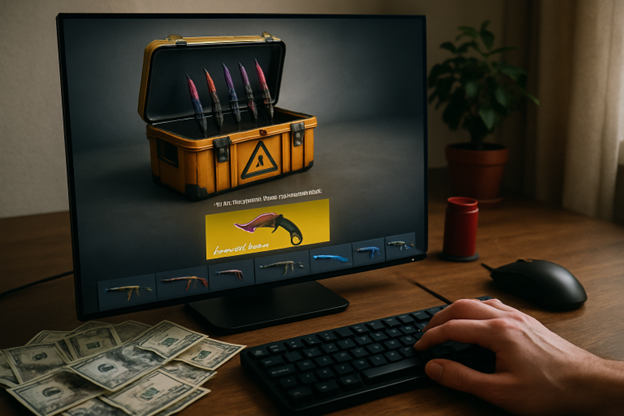
Most Profitable CS2 Cases to Open: 2026 Value Calculations
In 2026, several cases dominate the trading scene: Prisma 2 Case,
Dreams & Nightmares Case, Recoil Case, Gamma Case, and Clutch Case.
This selection is driven by a combination of high average value per
skin and the frequency with which their best drops retain liquidity on
key trading sites and aggregators.
Analysis centers around three key parameters: the case’s average
dollar return per opening, the percentage chance of securing a skin
above case cost, and the stability of demand for the top-tier drops.
For instance, the Prisma 2 Case consistently ranks at a 12-15% higher
average payout per case compared to the Clutch Case—primarily due to
the consistent market for AWPs and pistols in its lineup and a more
balanced distribution of value within the case. Opening 100 Prisma 2
Cases at an average cost of $2.20 might yield an expected skin sale
value of $250–$260, translating to a $30–$40 margin above cost when
leveraged on automated trading sites. The Clutch Case in comparison
averages an $18–$20 loss per 100 cases, especially for users unable to
extract value from its less popular rare items.
Consider two practical examples. In the first, a trader using
Dreams & Nightmares Cases sees a rapid turnaround—selling skins
worth $3.10 apiece after paying $2.40 per case, netting small but
reproducible profits, especially with active trading on high-volume
aggregators. In another scenario, a user opens 50 of an older case like
Spectrum and realizes an average loss of 25% per skin, with most items
failing to move even at a discount. The predictable capital churn from
new-release or high-turnover cases stands in stark contrast to the
illiquidity and high variance of obsolete case pools.
As you evaluate options, look for those cases where the value is
clustered, not scattered. The next section will show you how to
calculate these numbers using public drop statistics and live skin
prices, eliminating guesswork from profit targeting.
How to Calculate If a Case Is Worth Opening for Trading
Determining whether a case is truly profitable for trading requires
a methodical approach. Start by collecting the average sale price of
the top three to five skins from each case you’re considering. Use data
directly from services like Key-Drop and Steam Market for up-to-date
values instead of relying on static price lists.
Next, factor in the drop probability for each profitable skin,
using publicly sourced or aggregator data that reflect the latest 2026
odds. Do not take “official” drop rate statements at face value—verify
them across multiple services. Calculate the expected return for
opening a case by multiplying skin value by its drop probability, sum
these values, and then subtract typical aggregator or market fee (often
5–8% in 2026).
Compare your final figure with the direct cost of opening the case.
If the margin is at least 5–8% above cost, this case has genuine
potential for reproducible trading profit. For example, the Prisma 2
Case presents an average net return of $2.50 per opening at a $2.20
cost—creating a narrow, but dependable margin for bulk traders.
Target cases with active, high-volume liquidity centers rather than
those with expensive but thinly traded exotics. Cases that lack strong
mid-tier skin circulation frequently result in long lock-up times or
offloading at a loss, diluting all paper profits secured during
opening.
Trading vs. Opening: How Modern Services Shape CS2 Skin Profits
The standard approach of holding skins after opening has lost
traction among profit-focused traders in 2026. The current trend is
“open, liquidate, and reinvest”—capitalizing on case drops through
instant trade or automated transfer rather than wait-and-hope
appreciation. This shift is closely tied to new service models that
compress the time between a winning drop and its market realization to
hours, not days.
Case opening aggregators such as Key-Drop have increased capital
velocity. Tools like “upgrade to trade” and rapid payouts allow users
to trade skins for cash or other items almost immediately, greatly
minimizing holding risk. The typical user now experiences an average
commission and time savings of 10–12% versus traditional Steam Market
approaches. Consider a scenario where a player, after unlocking a
highly sought skin through a case opening service, completes a
withdrawal and sale process in under two hours—a stark contrast to the
minimum 24-hour trade hold previously enforced on the Steam Market.
How do you evaluate the reliability of a trading service in 2026:
by transaction volume, transparency of commission structure, or overall
user experience? Each factor affects long-term profits, and
consistently high-volume, transparent fee models tend to deliver the
most repeatable results. Avoiding services with hidden or complex
withdrawal fees and prioritizing those with clear payout policies
remains a foundational safeguard for traders who want to maintain
profit integrity through every stage of skin monetization.
FAQ
What’s the safest case to open in 2026? None are “safe,” but
Prisma 2 and Dreams & Nightmares maintain above-average liquidity
and lower variance, making them consistent picks for traders targeting
stable returns.
Do trading sites offer fairer odds than Steam? The odds for skin
drops remain governed by the case itself, but third-party case opening
services streamline value extraction by minimizing holds and fees,
leading to higher net returns for active traders.
Should you always sell right after opening or wait for a price
surge? Event-driven spikes are rare, so immediate sale often locks in
value and reduces the risk of post-release price slumps. For
margin-focused trading, fast turnover generally outperforms attempts to
time the market.
 Updated:05:39 PM CEST Jun,09
(new)
Updated:05:39 PM CEST Jun,09
(new)


 Add your comment (free registration required)