Beginner’s Guide to CS2 Skins: From Zero Inventory to First Profits
It is often debated whether obtaining CS2 skins is just about personal style or strategic inventory growth. The
rapid development of the in-game skin market in 2026—now deeply connected to multiple external services—has
changed how new players approach initial skin acquisition.
csgo opening
Multiple routes for skin acquisition have emerged, each with distinct processes and requirements. For many, skins
are not only customization but assets that shape progression in CS2. This guide analyses five core methods to
start, highlights key risks, and provides clear steps for beginners in the evolving 2026 market.
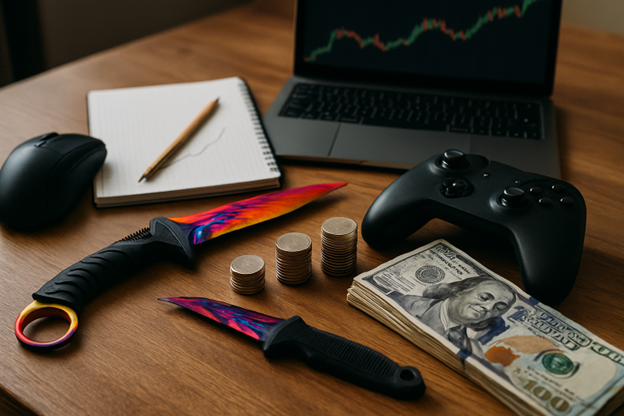
Understanding CS2 Skins: Foundations for Beginners
CS2 skins represent digital items designed to modify the appearance of weapons without affecting gameplay
performance. These objects fall into various rarity categories, ranging from common to extremely scarce, which
directly influences their perceived value among players. Skin rarity, pattern variation, and limited item releases
foster both personal expression and market-driven trading behaviour. Core functions extend beyond aesthetics:
items serve as tradable commodities, giving each inventory real economic weight.
Possessing a competitive inventory in 2026 can signify engagement and intent within the CS2 community. For new
entrants, the initial access hurdle has shifted—registration data from 2026 shows over 15 million CS2 accounts
actively participating in the skin market. Several join with empty inventories, highlighting the importance of
starting choices. Before pursuing any acquisition or trade, a basic understanding of rarity classifications, item
histories, and account requirements, such as authentication and transaction limits, is crucial. These foundational
elements define both initial success and long-term engagement with CS2 skin mechanics.
5 Ways to Obtain Your First CS2 Skins
The first approach involves obtaining free skins through in-game drops, weekly missions, and participation in
special community events. These methods provide random items, though capped by weekly limits and lower probability
for rare categories. The second route—conducting purchases via the official Steam Market—offers controlled
selection and secure transactions but includes a commission fee and typically requires Steam Guard authentication
for trading safety.
Trading with other players forms the third method. It relies on direct exchanges via Steam, trading bots, or
community channels. Evaluating counterparties, item histories, and tradehold rules minimizes fraud risk. Fourth,
external services and event agencies distribute skins as prizes, often through giveaways or streaming challenges,
though these require verifying service legitimacy and meeting basic account conditions.
The fifth method, engagement on specialized case opening services, lets users open digital cases for a fee with
randomized rewards. Choosing regulated case opening options is essential for safety. These five options
collectively provide both starting points and ongoing avenues for newcomers. According to Steam Market data, 22
million monthly skin transactions occurred during 2026, and the list of officially registered case opening
services reached 130—a reflection of the market’s breadth and complexity.
How Case Opening Services Work in 2026
Case opening services in 2026 involve a structured process. Users register on a service, select a virtual case,
and pay a fee to activate a randomized unboxing sequence—distinct from in-game skin drops both by mechanics and
external regulatory frameworks. After activation, the system algorithm determines drops in accordance with stated
rarity rates. Public data for 2026 indicate a 3.7% chance of obtaining rare skins. Services operate under
increasing regulatory oversight, with the European Union mandating licenses and enforcing fines for non-compliant
business models.
Transparent display of drop chances and clear withdrawal policies have become legal requirements in Europe.
Reliable services detail their licensing, RNG certification, and user protections on site. Differences between
services now revolve around withdrawal speed, account verification depth, and transparency of odds. New users
should verify the service’s regulatory status before the initial deposit, use only single-authorized accounts, and
consult public reviews on transaction histories.
The basic operational sequence consists of registering with authentication, selecting a case based on listed odds,
initiating the opening process, and reviewing the resulting skin. Withdrawals typically demand additional
verification, especially for valuable or rare items. Legal warnings also appear during withdrawals, ensuring users
comply with regional gambling laws. Strategic overview and adherence to safety guidance minimize risk and optimize
rewards for first-time users.
Trading and Safe Selling: Getting Value from Skins
Trading involves item swaps between players through peer-to-peer (P2P) agreements, the use of automated trade
bots, or negotiation in Discord-based groups. Each channel requires clear understanding of value and associated
risks. In 2026, the principal determinants of skin price remain rarity tier, unique pattern attributes, float (a
wear rating factor), and presence in active meta sets.
Selling skins can proceed via the Steam Market, where sales occur within the Steam Wallet ecosystem but incur a
standard transaction commission and region-based restrictions. Alternative independent marketplaces operate
externally, usually enabling cash payouts but with additional security requirements and service charges.
Safety necessitates use of verified services and escrow support, especially during P2P trades. Encountering
fraudulent listings is a documented risk—due diligence includes double-checking transaction histories, item
authenticity, and avoiding off-market transfers. Authorizations like Steam Guard Mobile Authenticator enhance
account protection.
A practical workflow—choose the skin for sale, research comparable listings, select either Steam Market or
reputable external marketplace, and confirm all safeguards are active before confirming the transaction. Withdrawn
funds in Steam remain digital, while external markets support direct fiat withdrawals, subject to compliance with
service terms. With the CS2 skin market valued at $2.8 billion in 2026 and over 300,000 trades monthly in major
groups, informed approaches substantially preserve value when exchanging or cashing out skins.
From First Skins to Profit: Beginner Strategies for 2026
Beginners typically choose between two strategies: accumulate a field-ready collection for gameplay without resale
aim, or pursue active flipping—buying undervalued skins and selling at margin for profit. In the latter case,
price tracking resources and alerting tools identify trends and sudden shifts that generate trading opportunities.
Significant value changes can derive from meta updates, rarity reclassifications, or successful limited-time
events.
Methods such as sniping (acquiring underpriced items), fast-flipping, or holding rare assets for potential
appreciation were prevalent in 2026. According to SKINBASE analytics, 27% of beginners realized net gains during
their first month by following these tactics and avoiding classic error patterns—overpaying, pursuing hyped items
too late, and neglecting contract terms.
Regional Steam shops now require age verification for withdrawals, and legitimate profit must align with local tax
and e-commerce regulation. The recommended initial steps: select a clear goal, track relevant price movements,
avoid emotional decision-making, and document all transactions for potential fiscal reporting. Informed strategy,
coupled with ongoing price monitoring, provides a feasible entry into sustainable profit from CS2 skins in 2026.
 Updated:05:39 PM CEST Jun,09
(new)
Updated:05:39 PM CEST Jun,09
(new)


 Add your comment (free registration required)